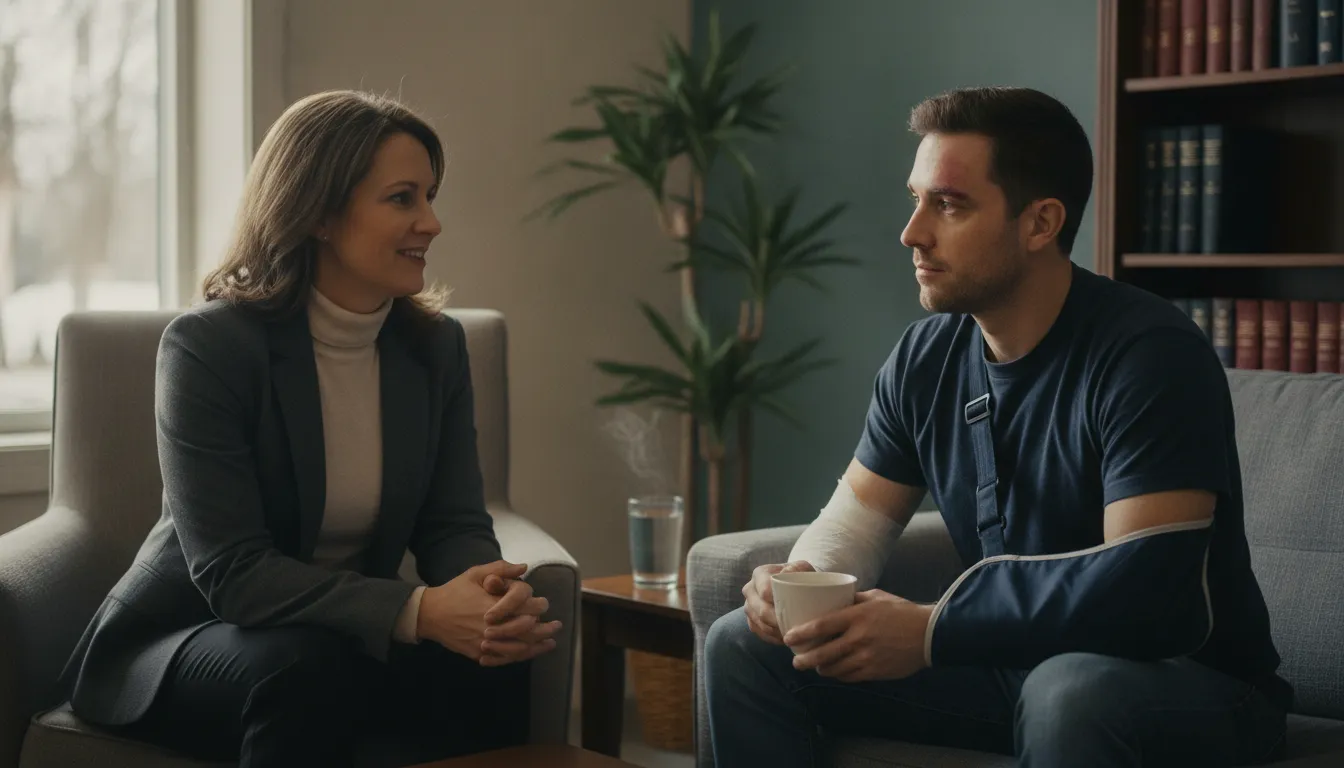
A pedestrian crash can leave you dealing with serious injuries, missed work, and an insurance process that feels unfamiliar. In Anchorage, a collision may happen in a crosswalk, parking lot, school zone, or on a sidewalk, and the details can matter when responsibility is disputed.
Request a Free Consultation to discuss what happened with an Anchorage injury attorney. The initial consultation is free, and the firm handles serious injury matters on a contingency-fee basis.
An Anchorage pedestrian accident lawyer can help investigate how the crash happened, preserve important evidence, communicate with insurers, and assess a potential claim while you focus on medical care. The Law Office of Jason Skala, LLC represents seriously injured people across Alaska on a contingency-fee basis, so clients pay no attorney fee unless the firm wins. You Don’t Pay. They Do.
If you or a family member has been injured, consider requesting a free consultation to discuss what happened and what steps may protect your interests. Understanding Alaska’s pedestrian right-of-way rules is a useful place to begin. The legal analysis depends on the location, signals, visibility, driver conduct, and other facts surrounding the crash.
Alaska Pedestrian Right-of-Way Laws You Need to Know
Alaska pedestrian right-of-way rules help explain how drivers and people walking should share crosswalks, intersections, and other road areas. A driver may need to yield when a pedestrian is lawfully crossing, but right-of-way is not a substitute for reasonable care. Drivers should watch for people on foot, control their speed, and account for visibility, traffic, road work, and weather conditions.
Crosswalks and intersections
At a marked crosswalk, the markings can help show where a person was crossing and what the driver should have seen. At an intersection, turning vehicles must be especially alert to pedestrians entering or already in the vehicle’s path. A green light for a driver does not eliminate the need to look for people crossing, and a pedestrian’s conduct does not automatically resolve every question about fault. The current statutory framework is in Alaska Statutes. Its application depends on the location, signals, timing, visibility, and all other facts of the crash.
Driver duties and useful evidence
Distraction or impairment, speeding, red-light running, obstructed visibility, construction conditions, and defective vehicle parts may all matter when investigating a collision. Evidence should be gathered before conditions change. Photos can show crosswalk markings, signal positions, sight lines, lighting, snow or ice, lane markings, vehicle damage, and the location of debris. Witness names, surveillance footage, dispatch records, and the driver’s account may also help establish what happened.
| Location | Evidence to preserve |
|---|---|
| Marked crosswalk | Markings, signals, crossing timing, photographs, and witnesses. |
| Signalized intersection | Signal phases, turning path, traffic-camera footage, and vehicle damage. |
| Parking lot or driveway | Traffic signs, lighting, sight lines, surveillance video, and property records. |
| Sidewalk or work zone | Obstructions, detours, barriers, lighting, surface conditions, and repair records. |
Why the facts matter
Alaska uses an at-fault insurance framework, and comparative-fault questions can arise when each side describes the crossing differently. An insurer’s initial position is not the same as a final legal determination. Do not assume a general rule answers your situation. Medical records, scene evidence, witness accounts, and the precise sequence of events may affect how responsibility is evaluated.
Common Pedestrian Accident Scenarios in Anchorage
Pedestrian crashes can happen in familiar places, from a marked crosswalk downtown to a neighborhood sidewalk covered by snow or poor lighting. The Law Office of Jason Skala, LLC represents people injured in crosswalk, parking-lot, sidewalk, school-zone, and hit-and-run crashes in Anchorage and communities across Alaska.
At a crosswalk, a driver may fail to yield, turn without checking the crossing, run a red light, or look down at a phone. In a parking lot, drivers may reverse from a space or travel too quickly between parked vehicles, where sight lines are limited. Sidewalk crashes can involve a vehicle leaving the roadway, blocked visibility, or a driver entering a driveway without seeing someone walking.
School-zone collisions require careful attention to children, crossing activity, signs, and changing traffic patterns. A hit-and-run creates additional challenges because the vehicle and driver may be gone before witnesses can identify them. Promptly documenting the location, collecting witness information, and preserving available video may help investigators determine what happened.
Conditions that may contribute to a crash
Responsibility is not always clear from the first account. Potential factors can include driver distraction or impairment, excessive speed, failure to obey a signal, obstructed visibility, snow or ice, darkness, road design, construction activity, and temporary detours. A defective vehicle part may also require investigation. Higher vehicle speeds can increase both the likelihood of a pedestrian impact and the severity of injury, according to the CDC.
Alaska weather and seasonal daylight can make visibility and stopping conditions especially important in an Anchorage investigation. Photos should show lighting, pavement, signs, lane markings, parked vehicles, work zones, and anything that blocked a driver’s view. Do not assume that a person walking is at fault because the crash occurred outside a marked crossing. The facts, evidence, and applicable law matter.
For practical guidance on documenting the event and dealing with insurance, review these steps after an Anchorage crash. The firm can also investigate serious pedestrian injuries when the responsible driver is unknown or the circumstances are disputed.
Injuries Pedestrians Suffer: TBI, Fractures, and Spinal Damage
A vehicle impact can affect the body in ways that are not immediately obvious. A traumatic brain injury, or TBI, may involve symptoms such as confusion, headaches, memory problems, dizziness, or changes in mood. A person may also suffer a concussion or more serious brain injury even when there is no visible wound. Only a qualified medical professional can evaluate and diagnose these conditions.
Fractures can involve the legs, arms, ribs, pelvis, or other bones. Some may be apparent at the scene, while others become clearer after swelling or pain develops. Spinal damage can include injuries to the neck, back, or spinal cord. Symptoms may include persistent pain, numbness, weakness, or difficulty moving, but symptoms vary from person to person. Do not assume that feeling able to walk away means the crash caused no serious harm.
The CDC reports that more than 8,000 pedestrians died in U.S. motor-vehicle crashes in 2022. Emergency departments treated an estimated 140,000 people for nonfatal pedestrian crash injuries that year. The agency also notes that higher vehicle speeds increase both the likelihood of a pedestrian being struck and the severity of injury. SUVs may cause greater harm because of their weight and larger profile. These national facts do not determine what happened in an individual Anchorage crash, but they show why a careful medical evaluation matters. The CDC’s pedestrian safety information provides the underlying data.
Prompt medical care creates a record of symptoms, examinations, imaging, treatment recommendations, and changes over time. Follow-up appointments and referrals can be important when symptoms persist or appear later. Keep discharge instructions, bills, prescription information, work records, and communications about treatment. Complete records can help distinguish the injuries related to the collision from unrelated conditions and show how the injuries affect daily life and work.
Preserve information about the crash while it is available, including photographs, witness details, incident reports, and insurance communications. For more practical guidance, review these steps for protecting an Alaska injury claim. If you are seriously injured, discussing the facts with an Alaska attorney can help you understand what evidence and medical documentation may matter. No article can diagnose an injury or predict the outcome of a claim.
How Comparative Fault Affects Pedestrian Claims
After a pedestrian crash, an insurer may argue that the person on foot contributed to what happened. That allegation is not the same as a final legal determination. The facts must show how the collision unfolded, what each person did, and whether any conduct actually contributed to the injuries.
Alaska uses a comparative-fault framework. The current statutory language appears in Alaska Statutes section 09.17.060. Applying that law requires a close look at the evidence and the specific claims involved. A person should not assume that an insurer’s description of fault determines the value or outcome of a case.
What evidence can clarify the sequence?
Useful evidence may include photographs of the roadway, crosswalk, lighting, signs, sight lines, and vehicle damage. Traffic-camera footage, nearby business video, vehicle data, 911 records, police reports, and witness statements may also help establish timing and movement. Medical records can document the injuries and treatment that followed the impact.
The investigation may examine whether the driver was distracted or impaired, speeding, running a red light, or unable to see because of visibility, road, or construction conditions. It may also consider where the pedestrian was walking, whether a signal or crosswalk was present, and what each person could reasonably observe. These questions are fact-specific, particularly in Anchorage conditions that can change with darkness, weather, and roadway work.
Preserve evidence promptly. Write down what you remember while the sequence is fresh, save photographs and messages, identify witnesses, and keep records from every medical visit. Avoid guessing about facts you do not know or making recorded statements that oversimplify what happened. An Anchorage pedestrian accident lawyer can review the available evidence, explain how the insurer’s position differs from a legal finding, and help protect the claim while the facts are investigated. This information is general and does not determine how comparative fault would apply to an individual case.
How an Anchorage Pedestrian Accident Lawyer Builds Your Claim
A serious pedestrian claim is built from details that can disappear quickly. An Anchorage pedestrian accident lawyer can begin by identifying what happened, who saw it, and what evidence may show how the collision occurred. That may include photographs of the scene, vehicle damage, lighting, road conditions, and crosswalk markings. Nearby cameras and other facts may also matter, including evidence related to distraction, impairment, speed, visibility, or a roadway condition.
Preserving evidence and identifying witnesses
Witness names and contact information can become difficult to locate as time passes. A careful investigation may include locating people who saw the impact, requesting available video, reviewing the crash report, and examining the vehicles or surrounding area. This work helps keep the claim grounded in evidence rather than assumptions. It can also help address an insurer’s version of events when that version does not account for the full scene.
Connecting medical records to the losses you face
Medical records do more than list diagnoses. They can show the care you needed, how your injuries developed, the treatment recommended, and how the crash affected daily activities and work. The Law Office of Jason Skala, LLC emphasizes medical-record fluency, supported by Jason Skala’s family background in medicine. That perspective can help organize complex records for a serious-injury claim, while your treating providers remain responsible for medical evaluation and care.
The firm focuses exclusively on serious injury and wrongful death cases. Its published background describes more than 20 years of personal-injury experience and documented recoveries for clients. These facts describe the firm’s experience, not a promise about what any particular claim will recover. You can learn more about Jason Skala’s background before deciding whether to seek advice.
Concerned about the next step? Request a free consultation to discuss your pedestrian injury claim. The firm handles matters on a contingency-fee basis, so attorney fees are not charged unless the firm wins. You Don’t Pay. They Do.
Handling insurers and documenting the full impact
An investigation also includes reviewing insurance communications and helping you understand what information is being requested. Records of medical expenses, missed work, ongoing limitations, household effects, and other documented losses can help present the claim accurately. The right approach depends on the facts, the available evidence, and the applicable Alaska law. A consultation can help you understand your options without promising a specific outcome.
What Can an Anchorage Pedestrian Accident Lawyer Do After a Crash?
The first hours after a pedestrian crash can affect both your health and your ability to document what happened. If you are able, take these steps in order, while allowing emergency personnel or a trusted person to help.
- Get medical care promptly. Call 911 or accept emergency transport when needed. Some serious injuries are not obvious immediately, and a medical evaluation creates a record of your symptoms, treatment, and follow-up needs. Follow the provider’s instructions and keep discharge papers, prescriptions, bills, and appointment information.
- Report the collision. Ask that the crash be reported to law enforcement, and provide a clear, factual account. If you are too injured to speak fully at the scene, explain that. Obtain the report information when available, but do not guess about speed, distance, or fault.
- Photograph the scene and identify witnesses. When it is safe, photograph the crosswalk, traffic signals, vehicle position, lighting, weather, road conditions, visible injuries, and damaged clothing or personal property. Write down witness names and contact information. In Anchorage, changing weather, construction, or temporary visibility conditions can make early documentation especially important.
- Preserve records and possible video. Keep medical records, insurance correspondence, wage-loss documentation, photographs, and a personal recovery journal in one place. Note nearby businesses, homes, buses, or traffic cameras that may have recorded the collision. Ask counsel promptly about preserving video because systems may overwrite footage.
- Communicate carefully with insurers. Notify the appropriate insurer as required, but avoid a recorded statement, social-media post, or casual description that minimizes your injuries or misstates the facts. Do not sign a release before you understand what it covers. Keep copies of every message and letter.
- Speak with an experienced Alaska injury lawyer. A lawyer can help evaluate evidence, identify potentially responsible parties, and communicate with insurers while you focus on treatment. The Law Office of Jason Skala, LLC provides pedestrian accident representation in Anchorage and across Alaska on a contingency-fee basis. If you are considering a claim, ask about any applicable deadlines promptly and verify them with Alaska counsel. Alaska statutes contain limitation rules, including AS 09.10.070, but the correct deadline can depend on the facts and parties involved.
You do not need to determine the legal value of your claim at the scene. Preserve what you can, prioritize treatment, and seek case-specific guidance before making major decisions.
Frequently Asked Questions
What should I do after a pedestrian accident in Anchorage?
Seek medical care promptly, report the crash, and preserve photos, witness information, medical records, and insurance communications. Avoid posting about the accident or guessing about fault. A timely conversation with an Alaska injury attorney can help you protect evidence while you focus on recovery.
Who can be held liable for a pedestrian accident in Alaska?
Potentially responsible parties may include a negligent driver, an employer, a vehicle owner, or another party whose conduct or property condition contributed to the collision. Liability depends on the evidence, including visibility, signals, speed, road conditions, and what each person did before the crash.
How long do I have to file a pedestrian accident claim in Alaska?
The deadline depends on the facts, the parties involved, and the type of claim. Alaska’s general personal-injury limitations statute is a starting point. Exceptions may apply, so review the current law at Alaska Statutes AS 09.10.070 and speak with counsel promptly rather than relying on a general time period.
Can I recover compensation if I was partly at fault for a pedestrian accident?
Possibly. Alaska law addresses allocation of fault, and an insurer may argue that a pedestrian contributed to the crash. The effect of any fault assessment is fact-specific. Evidence such as witness accounts, video, scene photographs, medical records, and crash documentation can help clarify what happened. See Alaska Statutes AS 09.17.060.
What percentage does an accident lawyer take?
At The Law Office of Jason Skala, LLC, serious injury and wrongful-death cases are handled on a contingency-fee basis. Clients pay no attorney fee unless the firm wins, and the initial consultation is free. The specific agreement should explain the fee and case expenses before representation begins.
Schedule a Free Consultation
If you were injured in an Anchorage pedestrian crash, discussing the facts early can help you understand your options and protect important evidence. The Law Office of Jason Skala, LLC offers a free consultation for serious injury claims. The firm works on a contingency-fee basis, so you do not pay attorney fees unless the firm wins. Request a Free Consultation about your claim during regular weekday business hours.