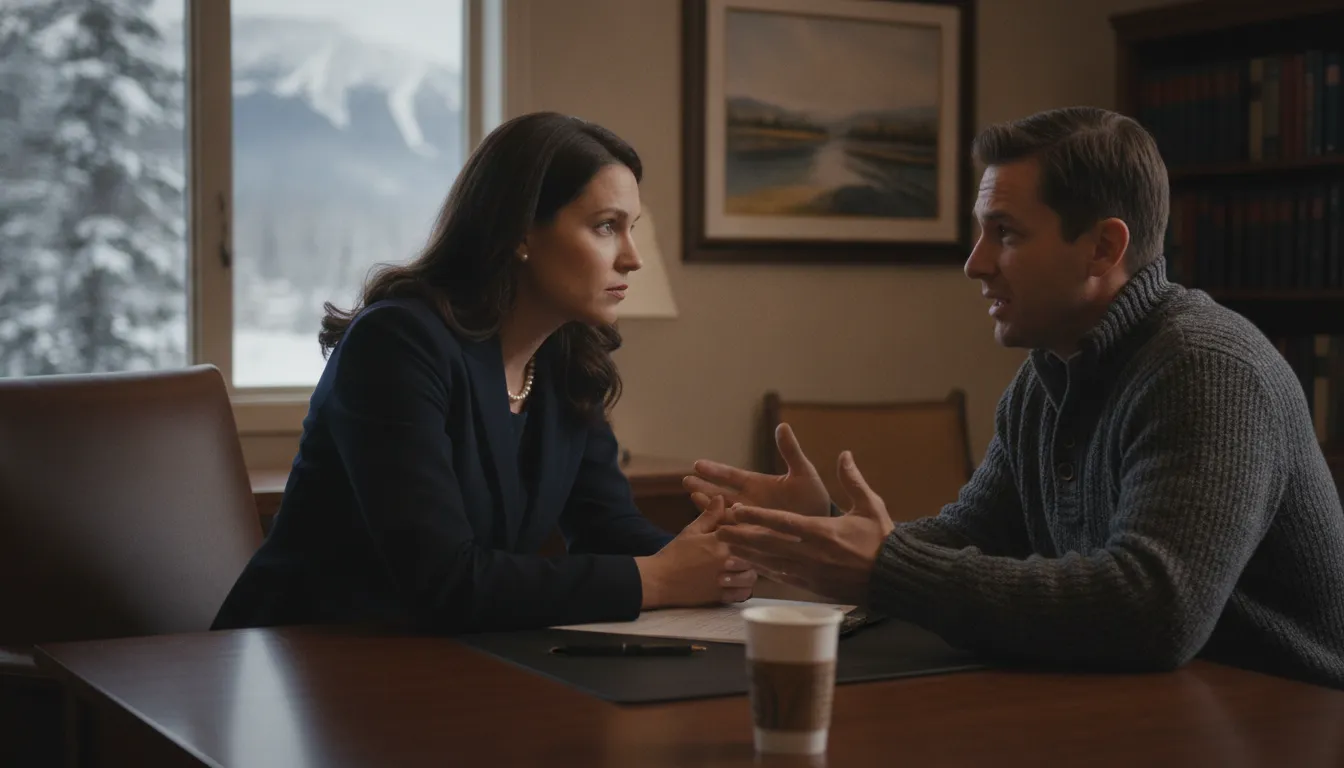
After a serious crash in Alaska, the hardest part is often not the collision itself. It is understanding who may be responsible, what insurance covers, how your own actions could affect recovery, and how to protect a claim while you heal. Those questions can become more complicated when you live outside a major city. They also matter when a crash involves severe injuries, multiple vehicles, or disputed fault.
An alaska car accident lawyer can help investigate the crash, evaluate available insurance and damages, address comparative fault, and deal with insurers while you focus on medical care. Alaska-specific rules and the facts of your collision will determine what options may be available, so early guidance can matter.
The Law Office of Jason Skala, LLC represents people with serious injuries throughout Alaska, including remote communities. The firm focuses exclusively on personal injury and wrongful death cases. It offers car accident representation serving Alaska. Before deciding whether counsel is right for you, it helps to understand what makes an Alaska claim different and why the details of the crash matter.
Why Alaska Car Accident Cases Are Different From Other States
Alaska generally follows an at-fault insurance system. The driver whose negligence caused the crash may be responsible for resulting losses, but proving fault and documenting the full impact of an injury still requires careful work.
Insurance policies also differ. Liability coverage may address injuries or vehicle damage caused to others. Collision, comprehensive, medical-payment, or uninsured-motorist provisions may affect benefits under a particular policy. Before accepting an adjuster’s explanation, read the policy and identify its coverage limits, exclusions, and deductible.
Alaska’s Division of Insurance advises drivers to understand what their policy covers and to contact their agent or insurer promptly after a crash. It also recommends keeping copies of claim paperwork and records of accident-related expenses. Alaska’s Division of Insurance explains these claim steps.
Alaska’s reporting rules make timely documentation especially important. A crash involving death, bodily injury, or qualifying property damage generally must be reported. When a driver self-report is required, Alaska DOT guidance says it is generally due within 10 days. A self-report may not be required when a peace officer investigated the accident. The applicable facts matter. Alaska DOT provides current collision self-reporting guidance.
Finally, an Alaska claim may involve more than a typical urban intersection. Weather, long distances, limited services, remote communities, and the availability of witnesses or medical records can affect how evidence is gathered. Those details do not decide liability by themselves. They can still shape the investigation.
| Issue | Why it matters after an Alaska crash |
|---|---|
| Fault | The evidence must connect another driver’s conduct to the collision and resulting losses. |
| Insurance | Liability, collision, comprehensive, medical-payment, and uninsured-motorist coverage may operate differently under the policy. |
| Reporting | Some crashes require police reporting, and some circumstances may require a driver self-report. |
| Evidence | Distance, weather, medical access, witnesses, and records can affect investigation and documentation. |
How Alaska Comparative Fault Law Affects Your Claim
In Alaska, responsibility for a crash may not always fall entirely on one person. Under the state’s pure comparative negligence approach, an injured person may still be able to recover compensation even if they are found partly responsible. The amount recovered can be reduced to reflect the person’s share of fault. The result depends on the evidence and legal issues in the specific case. An early statement that someone was “partly to blame” does not by itself determine the outcome.
Fault may be disputed through the crash report, photographs, vehicle damage, witness accounts, medical records, roadway conditions, and available video or electronic data. The timing of symptoms and consistency between the collision and medical treatment may also matter. Preserve relevant records and avoid guessing about details you do not remember. A careful review can distinguish a reasonable disagreement from an unsupported allegation that shifts responsibility to the injured person.
Insurance companies may ask questions or request statements while the facts are still developing. Be accurate, but do not assume an adjuster’s initial assessment is the final word on fault or the value of an injury claim. The Alaska Division of Insurance advises policyholders to keep records of claim-related contacts and follow verbal notice with written notice. A written record can help preserve what was said and when.
For a plain-language explanation of the concepts involved, review these Alaska negligence and fault rules. Because comparative fault can involve contested facts, causation, and the nature of the injuries, the general rule cannot predict what will happen in an individual claim. An Alaska car accident lawyer can review the available evidence and explain how the facts may affect the claim without promising a particular result.
What Compensation Can an Alaska Car Accident Claim Include?
The losses from a serious crash are not limited to the first hospital bill. Depending on the facts, an injury claim may account for costs already incurred and the ways the collision may affect your health. Work, and daily life in the future.
Medical care and future treatment
Compensation may include reasonable medical expenses related to the collision, such as emergency treatment, follow-up visits, medication, rehabilitation, and other prescribed care. If the injury requires ongoing treatment, assistive equipment, or future medical services, those needs may also be relevant. Keeping bills, treatment records, appointment details, and receipts can help document the connection between the crash and the care you receive. Alaska’s Division of Insurance also advises people to keep records of accident-related expenses and copies of claim paperwork: Alaska Division of Insurance claim guidance.
Income, property, and personal harm
A claim may address wages lost while you recover, as well as reduced earning capacity when an injury affects the work you can perform in the future. Property damage, including damage to your vehicle and personal items, is another possible category. The available evidence may include pay records, employer information, repair estimates, and other documentation.
Some claims also involve pain and suffering or mental anguish. These losses can reflect the physical discomfort, emotional distress, disruption, and limitations caused by an injury. They are personal and fact-dependent, so there is no reliable one-size-fits-all formula or guaranteed result. To understand the factors that may affect valuation, read how insurers evaluate injury claims. A careful review of medical records, work impact, expenses, and the insurer’s position can help clarify which losses should be supported in an individual claim.
How an Alaska Car Accident Lawyer Serves Clients Statewide
A serious crash can create legal and insurance problems whether it happens on an Anchorage road. A Mat-Su highway, or a remote route far from a major population center. The Law Office of Jason Skala, LLC represents injured people and families throughout Alaska, not only clients who live near Anchorage.
That statewide focus includes communities such as Wasilla and other Mat-Su Valley locations, Soldotna and the Kenai Peninsula, Fairbanks and the Interior, and communities throughout Southeast Alaska. It also includes people in the North Slope, including Utqiagvik, and residents of Bethel, Kotzebue, and other remote communities. The location of the crash or a client’s home does not by itself determine whether an Alaska car accident lawyer can evaluate the claim.
Statewide representation begins with understanding the circumstances that make each case different. A claim may involve a distracted or impaired driver, a hit-and-run, a collision involving several vehicles, or injuries that require extensive medical care and future treatment. The relevant insurance policies, available evidence, medical records, lost income, and questions about fault all need careful review. Those issues can be especially important when medical or financial resources are difficult to access locally.
The firm focuses exclusively on serious personal injury and wrongful death cases. The review is centered on the effect of the crash on the injured person and family, rather than treating a serious collision as a routine property-damage matter. Office hours are Monday through Friday, 9:00 AM to 5:00 PM Alaska Time. If you are unsure whether your injuries or losses warrant legal guidance, you can learn more about Alaska car accident representation and the issues an evaluation may address.
What Should You Look For in an Alaska Car Accident Lawyer?
Choosing counsel after a serious collision is not only about finding someone who handles vehicle cases. Ask whether the lawyer regularly represents people with serious injuries, understands Alaska claims, and will explain the process in plain language.
A serious-injury focus
Serious injuries can involve months of treatment, lost income, future care, and records from multiple providers. A lawyer who routinely handles serious personal injury cases should be prepared to understand how those issues connect. The Law Office of Jason Skala, LLC focuses exclusively on serious personal injury and wrongful death matters.
Direct involvement and medical-record fluency
Ask who will evaluate the claim, communicate important developments, and address disagreements about fault or injury. Jason Skala’s background includes more than 20 years focused on personal injury, and the firm describes a family lineage of doctors that supports familiarity with medical records. These are firm qualifications, not a promise about any individual result.
Evidence-based case evaluation
A useful consultation should identify what is known, what still needs investigation, and which damages may require additional documentation. The firm reports substantial recoveries for clients. Past recoveries do not predict what another claim is worth, so treat any case evaluation as specific to the collision, injuries, evidence, and available insurance.
Communication matters, too. Ask how questions are handled, what information the lawyer needs, and how decisions will be explained. Reviewing Alaska car accident settlement factors can help you prepare focused questions about evidence, damages, and negotiations.
The Contingency Fee Model: You Don’t Pay Unless We Win
After a serious crash, the cost of legal help should not prevent you from understanding your options. The Law Office of Jason Skala, LLC handles qualifying personal injury cases on a contingency-fee basis. That means there is no upfront attorney fee. The firm’s fee is taken as a percentage of any recovery obtained for you, rather than paid out of pocket while your claim is pending.
The firm also advances case costs associated with pursuing the claim, as described in its client-service information. The details of how fees and costs apply to a particular case should be explained during the consultation, before you decide whether to move forward. You should feel comfortable asking what expenses may arise, how they are handled, and what happens if the claim does not result in compensation.
This model is designed to give seriously injured Alaskans access to representation while they are dealing with medical care. Lost income, insurance questions, and the practical effects of a collision. The firm focuses exclusively on serious personal injury and wrongful death matters, including car accident claims throughout Alaska. Its message is straightforward: You Don’t Pay. They Do.
A useful next step is to preserve crash-related records, follow your medical providers’ recommendations. And avoid giving a recorded statement or signing a settlement document before you understand its implications. Then schedule a free, no-obligation consultation so an attorney can learn what happened and discuss possible paths forward. You can Request a Free Consultation and review questions about fees, costs, timing, and communication. The answers to several common questions about hiring an Alaska car accident lawyer follow below.
Frequently Asked Questions
How much can a lawyer get you for a car accident?
There is no reliable standard amount. The potential value of a claim depends on the injuries, medical treatment, future care, lost income, property damage, available insurance, and each person’s share of fault. A careful evaluation should consider both current losses and documented long-term effects. No lawyer can guarantee a settlement or verdict before reviewing the facts and records.
What is the best lawyer for a car accident?
The right lawyer is one who regularly handles serious injury cases, understands Alaska insurance and fault rules, evaluates medical evidence carefully, and explains realistic options. Ask who will work directly on your case, how communication will work, and whether the firm represents clients throughout Alaska, including remote communities. Experience should support a careful evaluation, not a promise about the result.
How much do lawyers get paid in Alaska?
Many injury firms use a contingency-fee arrangement rather than requiring an upfront attorney fee. Under that model, the attorney fee is tied to a recovery, and the agreement should explain the fee and case-cost terms before representation begins. The percentage can vary, so ask for the agreement in plain language. At the Law Office of Jason Skala, LLC, clients pay no attorney fee unless the firm obtains compensation.
When should I talk with an Alaska car accident lawyer?
Consider speaking with counsel promptly when an accident causes significant injury, disputed fault, serious treatment, missed work, an uninsured or hit-and-run driver, or pressure from an insurer. Early advice can help protect evidence and clarify claim requirements. Alaska-specific deadlines and reporting obligations can depend on the circumstances, so do not wait if you are unsure what applies.
Ready to Discuss Your Alaska Car Accident Claim?
A clear conversation can help you understand your options, the information that may matter, and whether legal guidance fits your situation. Schedule a free, confidential consultation with the Law Office of Jason Skala, LLC. You can call 907-569-6633 to get started. There is no upfront attorney fee for the consultation, and the firm can explain how its contingency-fee model applies to your case.