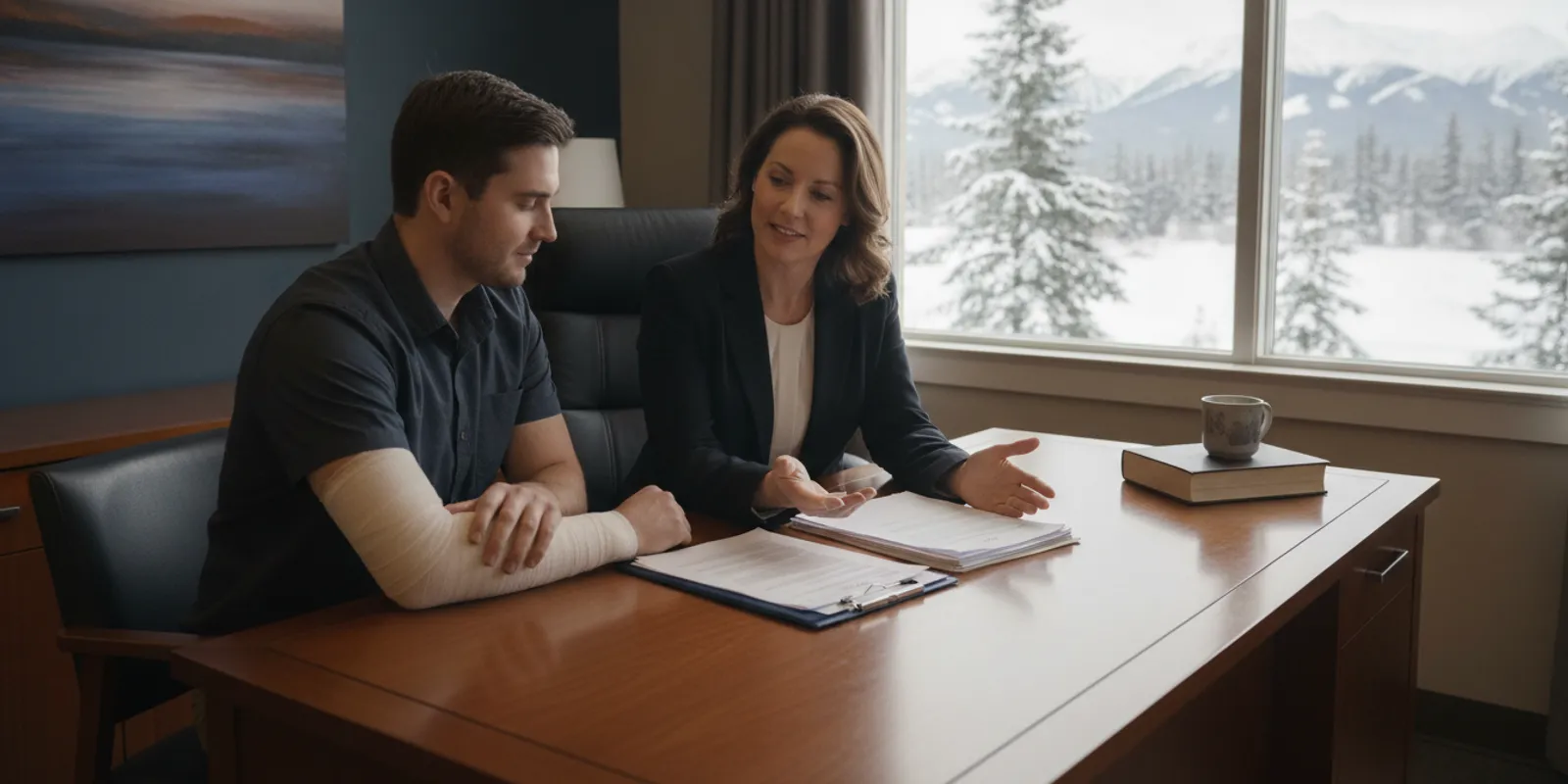
Finding an Anchorage car accident law firm can feel urgent when you are dealing with pain, medical appointments, missed work, and calls from insurance companies. The right attorney should be able to explain the process in plain language, answer your questions, and show how the firm will handle the details of your case. Before you hire anyone, compare more than advertising or promises. Look closely at focus, relevant experience, communication, fees, and the plan for investigating your claim.
Schedule a free consultation and learn how the contingency-fee model works: you pay no upfront attorney fees, and the firm collects a fee only if it obtains a recovery.
Why Should You Choose a Firm That Handles Only Personal Injury?
A car crash claim can involve several connected issues: medical treatment, lost income, vehicle damage, insurance coverage, witness accounts, and questions about how the collision happened. When injuries are serious, the effect may continue well beyond the first days or weeks. The attorney needs to understand how these pieces fit together and how to preserve information that may matter later.
A firm focused on personal injury is organized around claims involving harm to people. Ask whether the practice regularly handles injury matters and whether your type of crash and injury fit its work. A firm’s focus does not guarantee a particular result, but it can help you understand whether its day-to-day work matches the problems you need help with.
Ask what happens after the first meeting. Who will investigate the collision? Who will request records and communicate with insurers? How will the firm keep you updated? You should hear a clear explanation, not just a slogan. A strong initial conversation helps you assess whether the attorney understands the practical demands of your situation.
For a broader overview of the issues involved in a local vehicle claim, read this guide to what to do after a car accident in Anchorage. It can help you organize early questions before discussing your specific circumstances with a lawyer.
What Questions Should You Ask a Car Accident Law Firm Before You Sign?
A consultation is a chance to understand the relationship before you commit. You do not need to know legal terminology. Bring the questions that matter to you, and ask for answers you can understand. If you are not ready to decide, ask for time to review the written agreement.
Who will be responsible for my case?
Ask who will be your main point of contact and who will make important decisions about strategy. Find out whether the attorney you meet will remain involved, what other team members may assist, and how to reach the firm with updates or urgent questions. A clear answer prevents confusion about who is handling your file.
What investigation do you expect this case may need?
Each collision is different. Ask what information the attorney would want to review, such as the crash report, photographs, witness details, vehicle damage, insurance documents, and medical records. If the facts are disputed, ask how the firm would evaluate the available evidence and what additional information may be important. No one can promise that every piece of evidence exists or can be obtained, so the attorney should distinguish what is known from what remains to be investigated.
How will you explain the fee and case expenses?
Ask the firm to walk through the written fee agreement before signing. In a contingency-fee arrangement, attorney fees are tied to a successful recovery rather than paid upfront. Make sure you understand how the fee is calculated, how case costs are treated, and what the agreement says if there is no recovery. Do not rely on a verbal summary when the written contract controls the terms.
The Law Office of Jason Skala, LLC describes its model as “You Don’t Pay. They Do.” The firm offers free initial consultations and handles cases on a contingency-fee basis, with attorney fees collected as a percentage of a successful recovery. Ask for a direct explanation of the agreement and any case costs that may apply to your matter.
What should I expect in the near term?
Ask which steps are likely to come next, what information the firm needs from you, and how long a particular step may take if the attorney can give a reasonable estimate. A responsible answer will acknowledge that timing depends on the facts, treatment, and insurance issues. Be wary of anyone who guarantees a quick settlement or a specific amount before understanding the case.
How will decisions be made?
You should understand that the attorney can advise you, but decisions such as whether to accept a settlement are important and should be explained to you. Ask how the firm will present offers, discuss the risks and tradeoffs, and obtain your input. If an answer leaves you unsure who makes the final decision, ask for clarification before you sign.
To learn more about the stages an injured person may encounter, see this overview of what to expect during an Alaska personal injury claim and this guide to navigating personal injury cases.
How Can You Compare Anchorage Injury Attorneys?
When you speak with more than one firm, use the same criteria each time. This makes it easier to compare answers rather than relying on whichever meeting felt most polished. Consider the fit for your case, the attorney’s explanations, the communication plan, and the written fee terms.
| What to compare | Questions to ask | What a useful answer includes |
|---|---|---|
| Practice focus | How much of your work involves personal injury and cases like mine? | A direct explanation of the firm’s focus and whether your case fits. |
| Case responsibility | Who will investigate and who will update me? | Names or roles, a contact plan, and a clear path for questions. |
| Investigation | What evidence and records should be reviewed? | A preliminary checklist, with clear notes about what remains unknown. |
| Fees and costs | How does the contingency agreement work? | An explanation that matches the written agreement, including costs. |
| Communication | How often will I hear from the firm and how can I reach the team? | Realistic expectations and accurate office availability. |
| Case outlook | What can you tell me now, and what requires more investigation? | A candid discussion of uncertainties without guarantees. |
Record your impressions soon after each consultation. Note whether the lawyer listened, answered follow-up questions, and explained unfamiliar terms without pressuring you. You may also want to compare the specific written agreements rather than trying to remember a conversation. The lowest-fee quote or the largest advertised result alone does not establish which attorney is right for your individual claim.
What Are Red Flags When Evaluating Anchorage Injury Attorneys?
Choosing a lawyer is an important decision, and certain warning signs deserve careful attention. One concerning sign is a promise of a guaranteed outcome, a specific settlement, or a fast resolution before the attorney has reviewed the facts. The value and timing of a claim can depend on evidence, the nature of the injuries, the course of treatment, available coverage, and other case-specific issues.
Other concerns include pressure to sign immediately, vague explanations of fees, reluctance to provide a written agreement, or unclear answers about who will handle your case. Be cautious if an attorney minimizes your questions or treats a complex injury as routine without learning the relevant details. You deserve to understand what you are agreeing to.
Also pay attention to availability claims. Ask when the office is open, what contact methods are used, and what to expect if you call outside normal hours. The Law Office of Jason Skala, LLC lists business hours of Monday through Friday, 9:00 a.m. to 5:00 p.m. Alaska Time. Accurate expectations are more useful than an overstated promise of constant access.
A consultation should not feel like a demand to decide on the spot. Ask for a copy of the agreement and take time to read it. If a term is unclear, request an explanation before signing. You can also seek another consultation if you want to compare approaches or feel you do not have enough information to make a choice.
What Does Experience in Alaska Courts Actually Mean?
Experience is more useful when it relates to the issues your case may present. Ask an attorney to describe, in general terms, how the firm approaches investigating an Alaska collision claim, communicating with insurers, evaluating evidence, and preparing for the possibility of litigation. You are not asking for a guarantee. You are looking for a thoughtful process that recognizes how the case may develop.
Local familiarity can matter because the people, road conditions, travel distances, and access to services may differ across Alaska. If you live outside Anchorage or received treatment in another community, ask how the firm handles communication and records when a client, witnesses, or providers are in different locations. The answer should be specific enough to show that the firm has considered the practical logistics of your situation.
Ask for examples of experience relevant to your type of injury or collision, while remembering that another client’s outcome cannot predict yours. A reported result depends on its own evidence and circumstances. An attorney should explain the limits of comparisons and focus on how the facts of your claim will be assessed.
It can also help to understand the official reporting resources. Alaska’s Division of Motor Vehicles provides a motor vehicle collision self-report and describes the information it collects about a collision and its circumstances. Review the current state instructions to determine whether a self-report applies to your situation. Alaska’s Highway Safety Annual Report is another state resource on highway safety. These general materials are not a substitute for legal advice about an individual claim.
For information on how a claim can be reviewed step by step, consult this Alaska personal injury claim guide. If you are comparing legal representation in Anchorage, you may also find this article on when to hire an injury claims lawyer useful.
Why Does a Firm’s Personal Injury Experience Matter?
Experience can help an attorney identify questions that may otherwise be missed. For example, the medical record may describe symptoms, testing, treatment recommendations, or limits on daily activities. A lawyer who understands how to review injury documentation can ask informed questions about what the records show and what still needs to be clarified. But medical and legal decisions remain distinct: your healthcare providers guide your treatment, while the attorney evaluates how the available records relate to the claim.
Other cases may involve disputed responsibility, serious or lasting injuries, multiple insurance policies, or a collision involving a commercial vehicle. These situations may require a broader investigation than simply submitting a repair estimate and asking for payment. Ask the lawyer to explain what makes your case straightforward or more involved, and what would change that assessment as facts emerge.
At The Law Office of Jason Skala, personal injury and wrongful death cases are the firm’s exclusive focus. Attorney Jason Skala has more than 20 years of experience limited to personal injury. His family background includes doctors, and the firm describes this as a source of familiarity with medical terminology and records. The firm reports more than $40 million recovered for clients. These facts can help you understand the firm’s background, but no history or past recovery promises a particular result in a new case.
The lawyer should be able to connect experience to the questions in front of you. If your injury requires continuing care, ask how the firm will account for records as treatment progresses. If fault is disputed, ask what evidence may help clarify the sequence of events. If you have concerns about an insurer’s conduct, explain what happened and ask how the attorney would evaluate it. The answers should be tailored to the issues you raise, not just repeat a standard pitch.
What Should You Bring to a Consultation?
You do not need a complete case file to ask for an initial conversation. Bring what you already have and make a short list of what is missing. Useful items may include:
- The date and approximate location of the crash, along with a brief description of what happened.
- Names and contact information for other drivers, witnesses, or responding agencies, if available.
- Photographs or video of the scene, vehicle damage, and visible injuries, if you have them.
- Crash report information, insurance cards, policy details, and letters or messages from insurers.
- A list of healthcare providers, appointment dates, and records or bills you have received.
- Notes about time missed from work, changes to routine activities, and expenses related to the injury.
- Questions about fees, communication, investigation, and who will handle the case.
Keep original documents and avoid altering photographs or messages. If information is not available, simply tell the attorney that. Do not delay necessary medical care while gathering paperwork. Following your healthcare provider’s instructions is important for your health; an attorney can separately explain how records and treatment may relate to a claim.
A simple timeline can help you explain events in order: when the collision occurred, when you sought care, what communications followed, and what remains unresolved. Keep it factual and mark anything you are unsure about. You do not need to draw legal conclusions or guess at missing details.
How Does the Contingency-Fee Model Work?
Many injured people worry about how they could afford legal help while medical bills and lost income are creating pressure. A contingency-fee arrangement generally means the attorney’s fee is tied to a successful recovery rather than paid upfront. The Law Office of Jason Skala states that clients pay no upfront attorney fees and that attorney fees are collected as a percentage of a successful recovery. Its initial consultation is free.
Even when the general model is straightforward, read the written agreement closely. Ask what percentage applies and whether the calculation changes at different stages. Ask how case expenses are handled, whether they are paid from a recovery, and what the agreement says if the case does not result in compensation. Get answers to those questions in language you understand before signing.
Do not assume that every firm’s agreement is identical. The details matter, and you should compare the actual terms rather than rely on a general description of “no fee unless we win.” If a term is unclear, ask the attorney to point to the relevant section of the agreement and explain its practical effect.
How Can You Decide Which Anchorage Car Accident Law Firm Is Right for You?
After your conversations, consider whether you understand the firm’s plan and feel comfortable asking questions. The right fit is not simply the firm with the most confident marketing. It is a firm that can explain its focus, the possible next steps, the uncertainties, and the financial terms in a way that helps you make an informed decision.
Use a short checklist before you sign:
- Does the firm handle serious personal injury matters that match the issues in my case?
- Do I know who is responsible for my case and how updates will be shared?
- Did the attorney explain what is known, what is not known, and what needs investigation?
- Do I understand the fee agreement, including how costs are handled?
- Was I given realistic expectations without a guaranteed result or pressure to act immediately?
- Do I feel comfortable asking questions and discussing sensitive details?
A firm’s website and consultation can tell you about its stated focus, but your own circumstances determine what questions need attention. For more background on the claims process and the issues injured Alaskans often consider, explore this guide to navigating personal injury claims and this overview of compensation after an Alaska injury.
Request a free consultation with The Law Office of Jason Skala, LLC. There is no upfront attorney fee under the firm’s contingency-fee model, and you can ask questions before deciding whether to move forward.
What Should You Know About Insurance Communication?
After a collision, you may hear from one or more insurance companies. Keep notes about the date, caller, company, and subject of each conversation. Save letters, emails, text messages, and claim numbers. If you do not understand a request or deadline, ask the insurer to explain it in writing and consider discussing it with an attorney before responding in detail.
Be accurate and avoid guessing. If you do not remember a detail, say so rather than trying to fill in a gap. Do not speculate about fault or the extent of an injury when you do not yet know. If an insurer asks you to sign a release or provide records, make sure you understand what the document covers and what information is being requested. A lawyer can review case-specific communications and explain potential implications.
Keep receipts and basic notes about expenses connected to the crash. This may include transportation to appointments, medication, assistive items, or time away from work. Do not assume every expense will be covered; preserve the information so it can be reviewed. Maintain a simple record of how symptoms affect your daily routine, and continue to follow your healthcare provider’s advice. Your notes are not a substitute for medical documentation, but they can help you remember questions and changes to discuss with your provider or attorney.
If the crash involved another driver, a commercial vehicle, or disputed facts, avoid posting detailed accounts or images about the incident publicly while you are considering your options. Keep any relevant posts, messages, and photographs rather than deleting or editing material. If you have already shared something, tell your attorney candidly. The lawyer can assess what matters in context instead of relying on assumptions about how a particular post will be viewed.
These are practical recordkeeping suggestions, not a substitute for advice tailored to your situation. Each insurer request and claim may raise different issues. An attorney should be able to explain why a document or statement is relevant, what choices you have, and whether a response needs additional context.
Frequently Asked Questions
How do I know whether a car accident attorney handles cases like mine?
Ask directly about the firm’s personal injury focus and experience with the type of collision, injury, or insurance issue involved. Ask what parts of your case may require investigation and who would handle them. A lawyer should be able to discuss relevant experience without suggesting that another case guarantees your result.
Should I choose a lawyer based on a past settlement amount?
A past result can provide background about a firm, but it does not tell you what will happen in your case. Outcomes depend on their own facts and evidence. Use a consultation to ask how the attorney will evaluate your specific injuries, documentation, and disputed issues rather than treating a headline figure as a prediction.
Do I have to pay attorney fees before hiring the firm?
The Law Office of Jason Skala describes its work as contingency-fee representation, with no upfront attorney fees and fees collected as a percentage of a successful recovery. Review the written agreement to understand the percentage, case expenses, and what happens if there is no recovery. Ask the firm to explain any term you do not understand.
What if I do not have all the crash documents yet?
You can still request a consultation and explain what information you have. Share the crash date and location, basic details, treatment providers, and any insurer communication you received. The attorney can tell you what additional documents may be useful. Do not postpone necessary medical care while you try to collect records.
Can an attorney tell me how much my claim is worth at the first meeting?
An attorney may be able to identify issues or explain what information is needed, but a reliable evaluation can depend on investigation, medical information, coverage, and other facts. Be cautious of a guaranteed amount or outcome before those issues have been reviewed. Ask what can be assessed now and what remains uncertain.
Choosing counsel is a personal decision, and you deserve clear answers about experience, communication, fees, and next steps before you sign an agreement. A careful comparison can help you select an attorney whose approach fits the seriousness and practical needs of your claim.