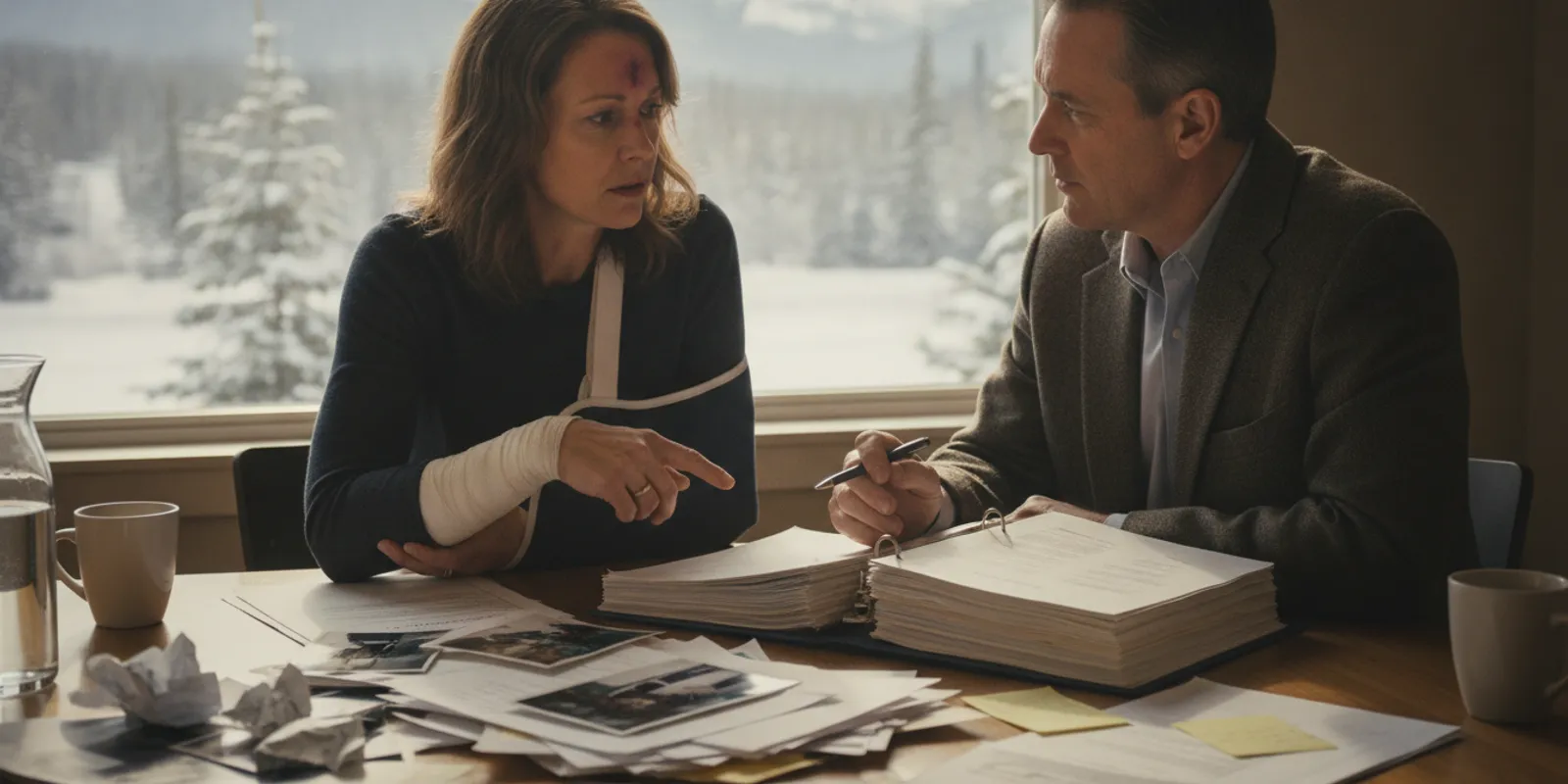
Choosing the best car accident attorney in Alaska means finding counsel whose focus, investigation plan, communication, and fee terms fit the needs of your injury claim—not identifying a universal winner. For a serious injury, the first conversation should help you understand what is known, what still needs to be checked, and how the lawyer would approach the unanswered questions.
Schedule a free consultation with no upfront attorney fees
Call 907-569-6633 during business hours, Monday through Friday, 9:00 AM to 5:00 PM Alaska Time, to discuss a free initial consultation. The firm’s contingency model means no upfront attorney fees; attorney fees are taken only as a percentage of a successful recovery under the agreement.
What does “best” mean for your injury claim?
The best fit depends on the questions your case raises. A collision followed by a short course of treatment may require different investigation than one involving surgery, lasting impairment, disputed fault, or a death. A slogan or past result cannot tell you how your facts will turn out. Look instead for an attorney who listens carefully, explains the process in plain language, and is candid about what cannot yet be determined.
The Law Office of Jason Skala, LLC focuses exclusively on serious personal injury and wrongful death cases. Attorney Jason Skala has more than 20 years of experience limited to personal injury, and the firm reports more than $40 million recovered for clients. These facts may help you decide whether to ask questions in a consultation; they do not predict the value or outcome of a particular claim.
When reviewing a firm’s work, start with its personal injury practice overview. Consider whether the work focus matches the seriousness and complexity of your needs, rather than treating a general description as an evaluation of your case.
- Relevant focus: Can the attorney explain how the collision and injuries connect to the issues that may need review?
- Evidence plan: Can they identify the records, accounts, and other facts that may clarify liability and injury?
- Clear communication: Will you understand who handles your matter and how you can ask questions?
- Realistic expectations: Does the lawyer distinguish established facts from assumptions and avoid guarantees?
- Understandable terms: Can you explain the fee and expense provisions after discussing them?
How can you compare attorneys during a consultation?
Prepare a brief account of the crash, your treatment so far, and the main concerns you want addressed. You do not need every record or legal term before talking. The purpose is to see whether the attorney can identify relevant questions and explain what information may help answer them.
Ask questions that invite a specific explanation:
- Who will be responsible for my case? Ask who your main attorney contact will be and who else may work on the matter.
- What experience do you have with serious car accident injuries? Ask about the kinds of issues handled and how that experience may relate to your circumstances. Past results do not assure a similar result.
- What would you want to investigate first? The answer could involve crash records, witness accounts, photographs, medical documentation, insurance information, or other facts depending on the collision.
- What could make the claim harder to assess? A useful discussion may include missing evidence, uncertainty about fault, incomplete treatment information, or disputed accounts.
- How will updates and decisions work? Ask how to reach the firm during business hours and how you will discuss important choices.
- How do the fee and case costs work? Ask what triggers an attorney fee, how it is calculated, and how expenses are handled if there is a recovery or no recovery.
Do not choose solely because someone gives a fast estimate or sounds most certain. An informed evaluation may depend on documents and investigation. You should have time to ask questions, understand what you are signing, and consider whether the working relationship feels right.
What background should you verify?
Ask about the attorney’s professional background and the work they focus on. The Alaska Bar Association is a starting point for Alaska legal resources. A number of years in practice alone does not establish fit; ask how experience relates to the work your claim may involve, such as examining medical documentation or investigating how a collision happened.
Jason Skala has a family lineage of doctors and brings experience reading medical records to his personal injury practice. If your treatment is complex, ask how that background informs the review and what questions may still require input from treating professionals or other qualified sources. Familiarity with records is not medical advice or a substitute for a provider’s conclusions.
You can also review the firm’s attorney background as you prepare. Treat background information as a way to frame questions, not proof that a particular case will succeed.
How should you compare fees and costs?
The firm describes free initial consultations, no upfront fees, and a contingency-fee arrangement: attorney fees are taken as a percentage of a successful recovery. Its tagline is “You Don’t Pay. They Do.” Read the written agreement carefully before signing. Ask how case expenses are advanced and treated, and make sure the written terms match what you have been told.
| Agreement point | Question to ask | What to understand |
|---|---|---|
| Attorney fee | When is a fee owed, and how is it calculated? | The percentage and the event that triggers the fee, as stated in writing. |
| Case expenses | Who advances expenses, and how are they handled? | Whether costs are separate from the attorney fee and how the agreement treats them. |
| No recovery | What happens to fees and expenses if there is no recovery? | The agreement’s specific terms, explained in plain language. |
| Consultation | Is the initial meeting free, and am I committing to representation? | What the meeting costs, if anything, and whether you are signing an agreement. |
Do not rely on a verbal summary when a contract controls the arrangement. Ask for clarification on anything you cannot explain in your own words. A responsible discussion should answer your questions without promising a particular recovery.
What should you bring to help assess the claim?
Gather what is readily available, but do not postpone asking for help because your file is incomplete. A short, organized collection can make the first conversation more useful:
- The date, approximate time, location, and a brief description of the collision.
- Names and contact details for drivers, witnesses, or responding agencies, if known.
- Photographs of the scene, vehicles, visible injuries, and relevant road or weather conditions.
- Medical provider names, visit dates, discharge papers, and current treatment information.
- Insurance letters, claim numbers, repair estimates, and insurer communications.
- A simple record of time missed from work, out-of-pocket expenses, and changes to daily activities.
Keep originals and organize copies by date. Preserve photos and messages rather than altering or deleting them. If a record is unavailable, say so; do not guess. An attorney can discuss which information is relevant and whether further investigation may be appropriate. For additional context, see the firm’s car accident information.
How can you judge the answers you receive?
After each consultation, write down what you learned while the discussion is fresh. A simple comparison can keep you focused on substance rather than confidence or advertising. Record the attorney’s proposed first steps, who would handle the work, what questions remain open, and what the fee agreement says.
- Listening: Did the attorney ask about injuries, treatment, daily limitations, and your concerns, not just vehicle damage?
- Specificity: Could they name evidence that may matter in your circumstances without claiming to know facts they have not reviewed?
- Transparency: Did they explain uncertainty, possible obstacles, costs, and communication expectations?
- Fit: Does their focus match the seriousness and complexity of your injury?
- Comfort: Could you speak openly about both helpful and difficult facts without feeling rushed?
For example, suppose two attorneys offer different preliminary views after hearing a short account. Rather than selecting the more optimistic estimate, ask what assumptions each person is making and what additional records could change the view. One may be assuming a particular injury diagnosis or insurance detail that has not been confirmed. A careful attorney should be able to label an initial view as preliminary and explain what would be needed for a more informed assessment.
Similarly, if an insurer has contacted you, note when it happened, what was requested, and whether you responded. Tell the attorney about any prior discussions or agreements. Avoid treating a general article or consultation as a substitute for advice about a specific document or deadline.
What warning signs should you take seriously?
Be cautious if anyone guarantees a specific result, pressures you to sign before you understand the terms, or will not explain who is responsible for your matter. No two claims necessarily have the same evidence, injuries, insurance details, or legal issues. A promise made before those details are understood should not replace careful review.
It is reasonable to ask for plain-language answers about fees, costs, and communication. You may compare options and request time to read proposed documents. A consultation is a chance for both sides to consider whether representation makes sense; you should leave knowing what you have agreed to and what remains undecided.
How can Alaska circumstances affect the discussion?
Depending on where a collision occurred, distance, weather, travel, and access to records or witnesses may affect practical investigation. The particular facts matter. Ask how the lawyer would gather information and keep you informed if collecting it takes time. The Law Office of Jason Skala, LLC is based in Anchorage and serves clients across Alaska; Jason Skala was raised in Chugiak and has lifelong Alaskan roots.
If you are outside Anchorage, explain where the crash happened and what access or communication needs you have. Ask how those practical details may be handled rather than assuming a firm has a local office or that any particular response time is guaranteed. You can read the firm’s practice overview and ask questions about your own situation.
What should you do while deciding?
Keep claim correspondence, bills, and treatment information together. After an important call, note the date, who spoke, what was requested, and any promised follow-up. Keep the note factual. Preserve relevant photos and messages, and ask before altering or discarding damaged property that may need to be documented.
Do not feel obliged to decide during a first conversation. Review any proposed agreement and ask about language you do not understand. An attorney needs an accurate account, including facts that may be difficult, to discuss risks and options. Clear explanations of uncertainty are more useful than reassurance that ignores unanswered questions.
Request a free consultation with no upfront attorney fees
Frequently asked questions
Does the best car accident attorney always have the most advertised results?
No. Past results do not establish what another case will produce. Ask how the attorney’s experience relates to the issues in your matter, and compare communication, investigation plans, and written fee terms.
Do I need every medical record before speaking with a lawyer?
No. Share what you have and identify where you received care. An attorney can tell you what additional information may help assess the claim. Continue following guidance from your medical providers.
Will a consultation tell me what my claim is worth?
A consultation may identify factors that need review, but an informed evaluation can depend on evidence, treatment information, insurance details, and other facts. Be wary of a guaranteed amount before those matters are understood.
When can I call the firm?
The firm’s stated business hours are Monday through Friday, 9:00 AM to 5:00 PM Alaska Time. You can request a free initial consultation and ask what information may help begin a discussion.
What is a sensible next step?
Write down your questions, gather the records already available, and compare how each attorney explains the process and agreement. To discuss a serious Alaska car accident injury with The Law Office of Jason Skala, LLC, call 907-569-6633 during business hours or request a free consultation; the firm’s contingency arrangement has no upfront attorney fees, with attorney fees taken only from a successful recovery under the agreement.